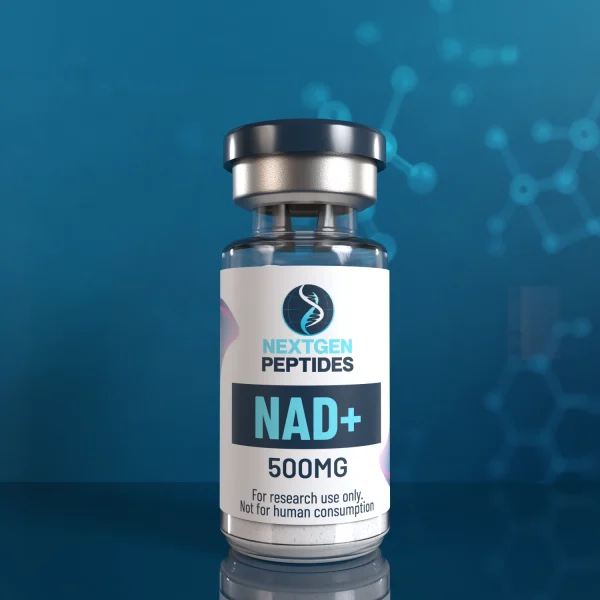
NAD+ (500MG, 10 Vials): Research Overview and Laboratory Information (USA)
NAD+ (Nicotinamide Adenine Dinucleotide) is a vital coenzyme found in all living cells and plays a central role in cellular energy metabolism, mitochondrial function, and redox reactions. It is one of the most extensively studied molecules in biochemistry, aging research, and metabolic science due to its essential function in converting nutrients into cellular energy.
In laboratory and scientific research environments, NAD+ is primarily studied for its role in ATP production, DNA repair processes, and cellular signaling pathways. Researchers in the United States and globally continue to explore NAD+ as a key molecule involved in metabolic efficiency, mitochondrial health, and cellular aging mechanisms.
This compound is strictly intended for laboratory and scientific research use only and is not approved for human consumption, medical treatment, or therapeutic application.
What Is NAD+?
NAD+ is a naturally occurring coenzyme present in all living cells. It functions as a critical electron carrier in metabolic reactions, helping convert nutrients such as glucose and fatty acids into usable cellular energy in the form of ATP.
In laboratory research, NAD+ is commonly studied for:
- Cellular energy production (ATP synthesis pathways)
- Mitochondrial electron transport chain function
- Redox balance and oxidative stress regulation
- DNA repair enzyme activity (PARP pathways)
- Sirtuin activation and gene expression regulation
- Metabolic and enzymatic reaction studies
Because of its central role in energy metabolism, NAD+ is considered one of the most important molecules in cellular biology.
Scientific and Research Applications
NAD+ (500MG, 10 vials) is used exclusively in controlled laboratory environments for experimental research purposes. It is not intended for clinical or therapeutic use outside regulated scientific studies.
Key research applications include:
- Mitochondrial function and energy metabolism research
- Cellular aging and senescence pathway studies
- DNA repair and genomic stability analysis
- Oxidative stress and redox biology research
- Sirtuin-related gene regulation studies
- Metabolic disease and energy deficiency models
Researchers use NAD+ to better understand how cellular energy systems function and how they decline under metabolic stress or aging conditions.
Why NAD+ Is Studied
NAD+ has become one of the most important molecules in modern biochemical and metabolic research due to its central role in energy production and cellular repair.
Researchers often study NAD+ in relation to:
- Age-related decline in cellular energy production
- Mitochondrial dysfunction and metabolic slowdown
- DNA damage accumulation and repair systems
- Oxidative stress and inflammation pathways
- Metabolic efficiency and energy balance regulation
Its involvement in nearly all major cellular processes makes NAD+ a foundational molecule in biology research.
Mechanism of Action (Research Context)
In laboratory studies, NAD+ functions as a critical coenzyme in oxidation-reduction (redox) reactions. It alternates between oxidized (NAD+) and reduced (NADH) forms, enabling electron transfer during metabolic processes.
Key research observations include:
- Electron transfer in mitochondrial respiration pathways
- Support of ATP production through oxidative phosphorylation
- Activation of sirtuin enzymes involved in gene regulation
- Participation in DNA repair enzyme activity (PARP systems)
- Regulation of cellular redox balance and oxidative stress
These mechanisms are studied strictly in controlled scientific environments and are not confirmed for clinical use.
NAD+ and Mitochondrial Research
One of the most important research areas involving NAD+ is mitochondrial function. Mitochondria are responsible for producing cellular energy, and NAD+ plays a direct role in supporting their efficiency.
Researchers frequently study:
- Mitochondrial ATP production efficiency
- Electron transport chain activity
- Cellular respiration and oxygen utilization
- Energy metabolism under stress conditions
- Age-related mitochondrial decline
NAD+ is considered essential for maintaining optimal mitochondrial performance in biological systems.
Why NAD+ Is Popular in Scientific Research
NAD+ continues to be one of the most widely studied molecules in biology due to its central role in energy metabolism and cellular aging.
Researchers frequently explore NAD+ in relation to:
- Aging and cellular energy decline models
- Metabolic efficiency and mitochondrial dysfunction
- DNA repair and genomic stability research
- Neurodegenerative disease models (experimental studies)
- Cellular stress resistance and adaptation systems
Its universal presence in all living cells makes it fundamental to biological research.
Reviews
There are no reviews yet.